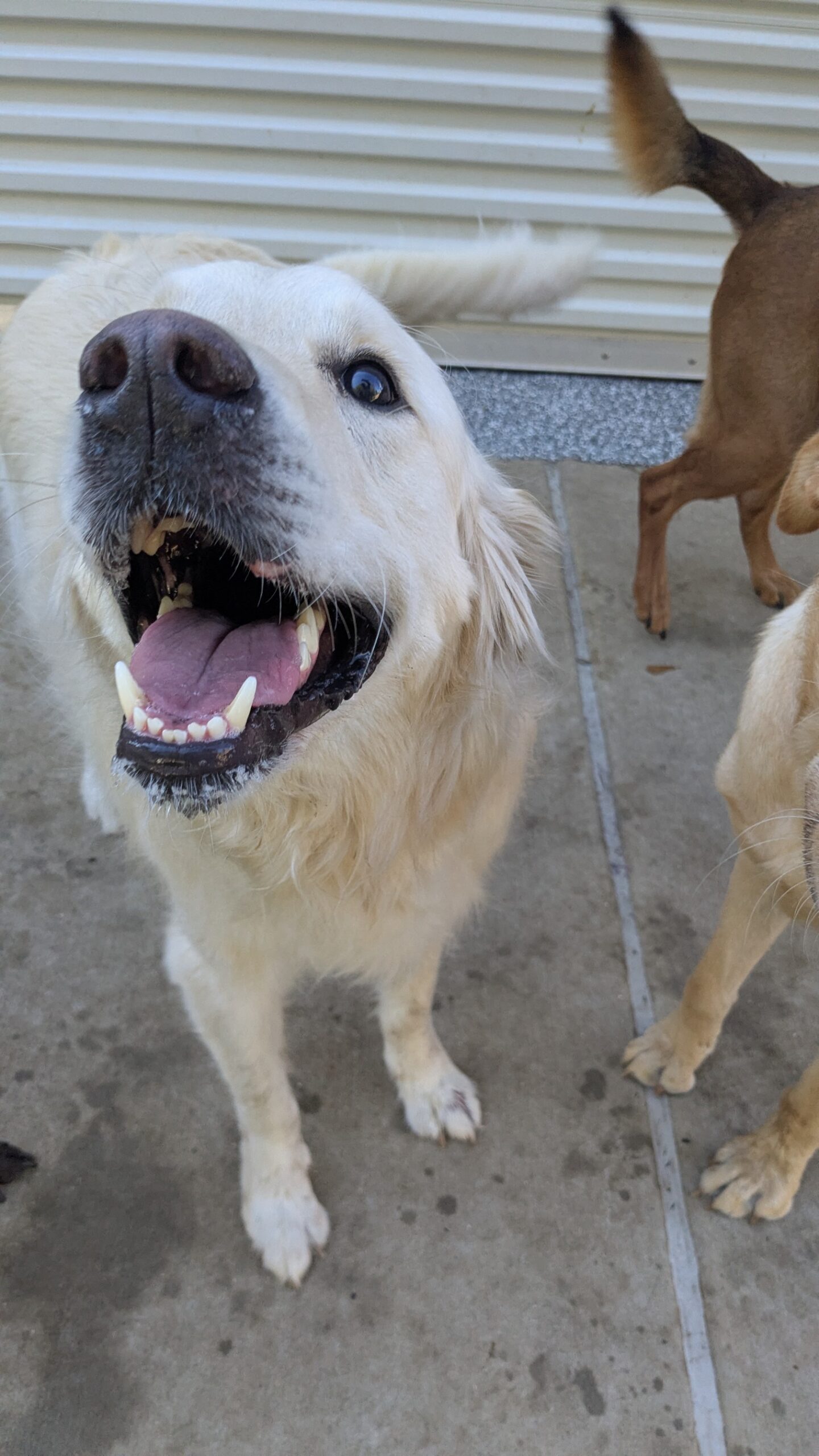

As lifelong dog lovers, we all want what’s best for our four-legged companions—long, happy, healthy lives filled with belly rubs, tail wags, and lots of adventures. But there’s a growing problem many pet parents aren’t talking about enough: obesity in dogs. It might seem harmless, even cute, when your dog carries a little extra weight. Maybe those pleading eyes have you handing over an extra treat or sneaking a bite of your dinner. We get it—how can anyone say no to those sweet faces? But the truth is, that extra fluff isn’t just weight; it’s a red flag for your pup’s health. According to a landmark study published in the Journal of the American Veterinary Medical Association by Lund et al. in 2006, over 34% of dogs in the U.S. are overweight or obese. That was nearly two decades ago—and the numbers have only gone up since. Today, experts estimate that more than half of the dogs in America are dealing with some level of unhealthy weight gain. This issue is bigger than just aesthetics—it’s impacting their quality of life, joint health, lifespan, and risk of chronic diseases like diabetes.
Understanding Obesity: What Does It Mean for Your Dog?
First, let’s define what we mean by “obese” or “overweight.” According to veterinary standards, a dog is considered overweight if they weigh 10-20% more than their ideal body weight. If they’re carrying more than 20% extra, they’re classified as obese. While some breeds are naturally stockier than others, the signs of obesity are usually visible: difficulty feeling the ribs through fat, lack of a defined waist, slower mobility, and easily tiring during play or walks. But even when the signs are clear, many pet parents don’t recognize them—or simply assume it’s normal aging. But aging is not a disease. And “slowing down” might not just be age—it could be pain from overworked joints, fatigue from carrying extra weight, or early signs of chronic conditions.
The Serious Health Risks Linked to Obesity in Dogs
Just like in humans, excess weight in dogs is linked to a wide range of serious health problems, some of which can shorten a dog’s life by two years or more. That’s a significant chunk of time when you consider the average dog only lives 10 to 13 years. Extra weight places unnecessary strain on your dog’s joints, especially in breeds that are already prone to hip or elbow dysplasia. The result? Pain, stiffness, reduced mobility, and long-term joint degeneration. Once arthritis sets in, it can’t be reversed—only managed. Obesity drastically increases the risk of canine diabetes, a condition that can lead to blindness, kidney failure, and nerve damage. Unlike in humans, managing diabetes in dogs involves strict insulin schedules, costly medications, and constant monitoring—none of which is fun for you or your pup. Extra fat makes it harder for your dog’s heart and lungs to do their jobs. Overweight dogs are more likely to experience breathing difficulties, especially during exercise or in hot weather. This can lead to heatstroke, collapsed tracheas, or cardiac distress, particularly in breeds like Bulldogs and Pugs. An overweight dog has a harder time fighting off infections. Obesity has been linked to inflammation, which can interfere with immune response and healing. Even a minor injury or illness can take longer to recover from in an obese dog. Perhaps the most heartbreaking consequence is this: obese dogs die younger. A study published in the Journal of Veterinary Internal Medicine found that overweight dogs lived up to 2.5 years less than their leaner counterparts. That’s two fewer years of walks, snuggles, fetch, and love.
Why Are So Many Dogs Overweight? Common Causes Explained
If obesity is so dangerous, why are so many dogs still overweight? There are a few key reasons. One of the most common mistakes is overfeeding. Pet food packaging often lists portion sizes that are too high, especially for less active dogs or smaller breeds. Combine that with extra treats, table scraps, or multiple feeders in a household, and it’s easy to go overboard without realizing it. Today’s dogs spend far more time indoors than they used to. While some pups get daily walks or playtime, many don’t get the physical or mental stimulation they need to burn off calories. A bored dog is also more likely to overeat or beg out of habit, not hunger. Let’s be honest—most of us love spoiling our pets with treats. Whether it’s to reward good behavior or just to see that tail wag, treats become part of our routine. But many popular dog treats are calorie bombs in disguise, especially if given multiple times a day. Certain breeds—like Labradors, Beagles, Dachshunds, and Golden Retrievers—are genetically predisposed to weight gain. These dogs often have bigger appetites and slower metabolisms, which means their weight needs to be monitored even more closely.
Taking Action: How to Help Your Dog Achieve a Healthy Weight
Now that we’ve painted a clear picture of the risks, let’s talk solutions. The good news is that weight loss and management are entirely possible, and often life-changing, for overweight dogs. Before making any major changes to your dog’s diet or activity level, check in with your vet. They’ll help you determine your dog’s ideal weight, identify any underlying medical issues, and recommend a safe weight loss plan. Not all dog foods are created equal. Work with your vet to select a formula that fits your dog’s age, size, and activity level. More importantly, use a measuring cup and track daily intake, including treats. Guessing portions is one of the fastest ways to sabotage progress. Even light daily exercise—like a 20-minute walk or play session—can make a big difference. As your dog starts to shed pounds, you can slowly increase intensity. Don’t overlook mental stimulation, either—puzzle feeders and scent games help keep them active in body and mind. Just like with humans, weight loss is a journey. Keep a log of your dog’s weight, measurements, and changes in behavior. Celebrate milestones with non-food rewards like a new toy or extra playtime.
A Loving Commitment to Our Dogs’ Health and Happiness
It’s time to stop normalizing overweight dogs as just “chunky,” “big-boned,” or “well-fed.” Love doesn’t mean overfeeding—it means doing what’s best for their health and happiness. When we bring dogs into our lives, we make a promise—to care for them, to protect them, and to give them the best lives possible. That includes keeping them at a healthy weight, even when it means skipping the second treat or taking that extra walk. We owe it to our dogs to give them every chance to live longer, move freely, and feel their best. And when you start seeing your dog with more energy, brighter eyes, and a spring in their step again—you’ll know it was all worth it.
We know it’s not always easy to say no to those puppy-dog eyes. But we also know that helping your dog stay lean is one of the most loving things you can do. As fellow dog lovers, we’re right here with you—celebrating every healthy choice, every tail wag, and every happy, healthy year you share together. So let’s keep the treats in check, lace up those walking shoes, and put our pups on the path to a longer, healthier life. They’d do it for us in a heartbeat.