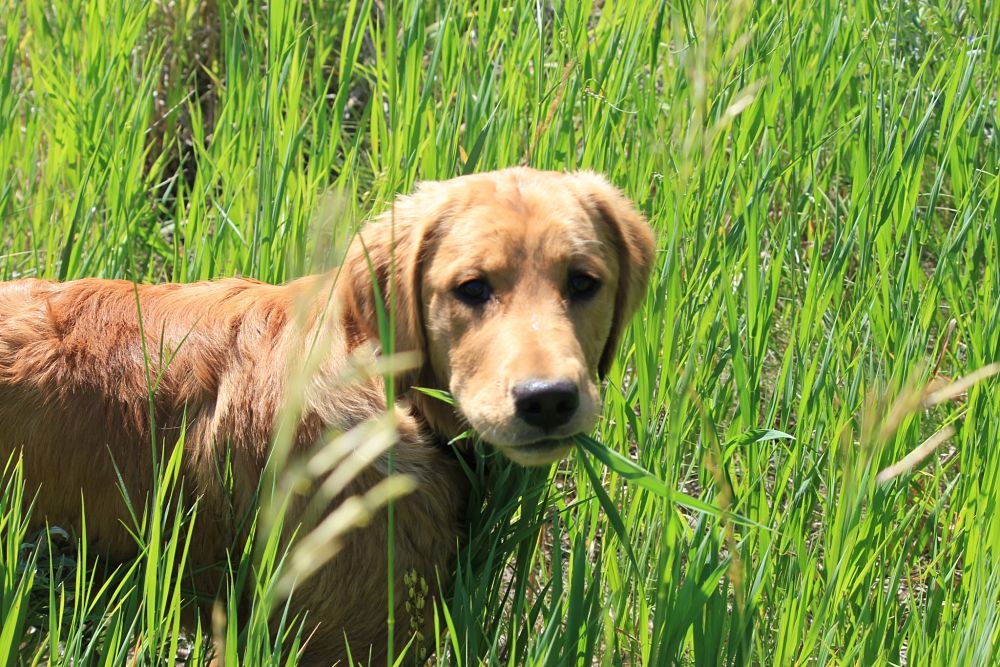

Dogs are often called man’s best friend, but one of their most remarkable traits is their sense of smell. While humans rely heavily on vision and hearing, dogs navigate the world largely through their noses. Their scenting abilities are extraordinary, allowing them to detect, interpret, and respond to smells in ways that humans can barely imagine. Understanding the power of a dog’s nose not only highlights the wonders of canine biology but also helps us appreciate the ways our furry companions experience the world.
Millions of Receptors for a Super Sense
A dog’s sense of smell is vastly superior to that of humans. While humans have roughly five million olfactory receptors, dogs boast anywhere from 220 million to 300 million, depending on the breed. This staggering difference gives dogs the ability to detect scents at concentrations nearly 100 million times lower than humans can. To put it simply, dogs can smell what we cannot even perceive. A single scent in the air that would go completely unnoticed by a human is instantly detectable to a dog, making them incredible trackers, search-and-rescue helpers, and even medical assistants. This remarkable olfactory ability is why dogs are employed in so many roles, from detecting explosives and drugs to identifying diseases such as cancer or low blood sugar. Their noses are finely tuned biological instruments, constantly sampling and analyzing the air to gather detailed information about their surroundings.
The Vomeronasal Organ: A Hidden Superpower
In addition to their impressive olfactory receptors, dogs possess a specialized organ called the vomeronasal organ, also known as Jacobson’s organ. This small but powerful organ allows dogs to detect pheromones, which are chemical signals that animals—including humans—use to communicate. Pheromones can indicate reproductive status, territorial boundaries, stress levels, or emotional states, and dogs can interpret these signals with astonishing precision. This is why dogs often seem to “know” how we feel. When a person is anxious, sad, or happy, subtle chemical changes occur in the body. Dogs can detect these changes through their noses, giving them the ability to respond empathetically. This connection is part of why dogs are such intuitive companions—they experience a level of social awareness through smell that we humans can only imagine.
Nostrils That Work Independently
The structure of a dog’s nose is another factor that makes it such a powerful scenting tool. Unlike humans, dogs can move each nostril independently. This ability allows them to determine the direction a scent is coming from with incredible accuracy. Even when a scent is faint or mixed with other odors, a dog can pinpoint its source, often following it over long distances or complex terrain. This independent nostril movement, combined with their enormous number of scent receptors, is why dogs excel at tracking. Bloodhounds, for example, are legendary for their tracking skills, able to follow a trail days old with near-perfect accuracy. The science behind this ability is complex, but the result is simple: dogs experience the world through an extraordinary, multi-dimensional sense of smell.
How Dogs Use Their Sense of Smell Every Day
Dogs rely on their noses for much more than work-related tasks—they use them in everyday life to explore, communicate, and understand their environment. During walks, dogs gather information about other animals, humans, and even what has recently happened in a neighborhood simply by sniffing the ground and air. Every scent tells a story, from the presence of another dog to the freshness of food or even an approaching storm. Dogs also communicate through scent. By leaving chemical messages via urine, feces, or gland secretions, dogs send information to others about territory, mood, or reproductive status. Sniffing each other during greetings is not just social—it’s an exchange of vital information that humans cannot perceive. Even play and training often rely on scent. Many dogs are highly motivated by smells and can be trained to find toys, treats, or even hidden objects. Their noses make the world richer, more detailed, and more interactive, offering them an experience of life that we humans can only imagine.
Conclusion: Celebrating the Superpower of the Dog Nose
The incredible scenting power of dogs is one of nature’s most impressive feats. With millions of olfactory receptors, a specialized vomeronasal organ, and independently moving nostrils, dogs perceive a world full of detail, communication, and hidden messages that humans cannot detect. Their noses are not just functional—they shape their experience of life, guide their behavior, and connect them to us and their surroundings in profound ways. Next time your dog stops to sniff a corner on your walk or spends time investigating a new scent, take a moment to appreciate the superpower they carry on their face. It’s more than a nose—it’s a sophisticated tool that makes every day a new adventure for your furry companion.